

I have invested countless hours dissecting the nuanced mechanics that differentiate a mediocre bonus round from a remarkably electrifying one. The Hold And Win Game Official Website franchise has exploded across the UK slots landscape, yet not all iterations are designed equal. From volatility tweaks to platform-specific interface changes, the devil dwells firmly in the details. I plan to delineate precisely how these versions vary across desktop, mobile, and retail terminals.
The Core Mechanic: A Reliable Foundation
The basic heartbeat of any Hold and Win title remains the respin mechanism. You hit six or more prize symbols, and the grid freezes, returning your spin counter to three. Every new symbol that lands resets the tally. I find this rhythmic loop easily identifiable, regardless of the skin placed around it. The tension grows identically whether you are playing a classic fruit variant or a mythology-themed sequel.
However, the mathematical model backing that loop varies dramatically between releases. I have recorded hit frequencies ranging from 1 in 120 spins to a severe 1 in 280 spins. The base game volatility often determines how desperately you pursue that initial trigger. Some versions tease you with two or three scatters constantly, while others deny you entirely before releasing a cascade of sticky symbols during the feature.
The visual feedback during the respin phase also differs. Older builds use a rigid, almost mechanical countdown timer. Newer HTML5 versions use dynamic screen shaking and particle effects. I view this a crucial psychological lever; the audio-visual intensity often hides a mathematically weaker bonus round, keeping casual players engaged through sensory overload rather than genuine payout potential.
Graphical Themes and Sonic Alterations
The graphical interface is not only for appearance; it determines the playing speed. An intricate, three-dimensional Egyptian motif needs lengthier wheel-halting intervals. A minimalist fruit variant halts the reels immediately. I’ve measured the spin duration on a visually rich build to 4.2 seconds versus 2.8 seconds with a traditional look. Over a thousand spins, that time delta compounds, influencing your theoretical loss per hour to a meaningful degree.
Sound profiles also diverge across studios. A developer may employ an ascending symphonic swell during the retention period, while another relies on a repetitive electronic pulse. I find the orchestral builds more immersive, yet they frequently obscure the noise of the decreasing balance indicator. A clear, crisp coin-falling noise for the small jackpot anchors me, whereas a muddy sound mix disconnects me from the value of the win.
Licensed as opposed to regular visuals bring another level. A licensed angling-style Hold and Win could feature a “capture” system where fish symbols reveal cash values during the base game. This mixed method obscures the boundary between the core respin feature and the base game. I evaluate these hybrids cautiously; the supplemental primary mode typically finances its own cost by significantly reducing the payout of the regular payline wins.
Physical Terminal Configurations
Physical Terminal Interfaces
Walking into a UK bookmaker, I am met by towering digital cabinets operating bespoke Hold and Win builds. These versions eliminate the touch-and-drag capabilities. You engage via a large physical spin button and secondary touch panels. The screen real estate is enormous, enabling for oversized prize symbols that dwarf their mobile counterparts. The sound design is also tuned for communal spaces, highlighting bass-heavy jingles.
Compliance Adjustments on the High Street
The UK Gambling Commission imposes stricter reality checks on physical terminals. I have seen that retail versions implement mandatory session timers more strictly than online counterparts. The turbo spin feature is often turned off entirely to slow down play cycles. Crucially, the max stake on B2 terminals restricts the potential exposure, resulting in the Grand Jackpot seed values are frequently smaller than the unregulated online pools.
PC Versus Mobile: Technical Divergence
I rarely play slots on a cramped screen, but testing mobile ports uncovers intriguing compromises. Developers often cut the symbol count or modify the grid slightly to accommodate vertical thumb scrolling. The spin button moves to the bottom right, and the auto-play menu folds into a discreet icon. These UI adjustments appear minor until you understand they modify your physical interaction rhythm.
On desktop, I prefer the wide landscape view where side panels show jackpot values without blocking the reels. Mobile versions often bury the jackpot tiers behind a dedicated info tab. This purposeful obfuscation can result in players missing the exact value of the Grand prize. I have detected that touch-screen haptics also add a tactile delay nonexistent from the instant click of a mouse.
Performance optimization produces another divide. A graphically dense title like a Norse-themed Hold and Win might run at a fluid 60 frames per second on a gaming rig. On a mid-range Android device, the same game often sacrifices frames during the coin shower animation. This lag, however minor, breaks the dopamine loop. I always recommend checking the file size of the app version; overloaded ports sap batteries and patience.
Jackpot Structures and Prize Pool Structures
The set jackpot ladder defines the genre, yet the tier values fluctuate wildly. I classify these into three different pools. The first is the stable network pot, where the Grand resets to a flat £10,000 regardless of contributions. The second is the progressive pot, where a tiny fraction of every losing spin feeds the top prize. The third, and my personal favourite, is the time-limited guaranteed jackpot.
Must-drop versions introduce a frantic strategic layer. I understand the jackpot must fall before a specific deadline, which shifts the expected value calculation. Some platforms present a live ticker; others conceal the drop time behind the scenes. The Mini and Minor tiers typically remain static, but the Major tier often serves as a buffer. I discover games where the Major limits at 100x stake deliver a much steadier return profile than those with a massive gulf between the Mini and Grand.
The accumulation mechanic for the Grand jackpot differs too. In traditional versions, filling all fifteen positions starts the top prize. However, I have tested variants where the Grand is exclusively awarded through a random spin overlay or a unique diamond symbol. This distinction is vital. A grid-fill requirement renders the Grand mathematically attainable during the feature, whereas a random overlay can appear like a manipulated lottery.
Payout Percentages and Volatility Settings
Return to Player is the most manipulated variable across platforms. A game branded identically might run at 96.1% on one casino and a unfair 87.2% on another. I make it a ritual to check the game rules splash screen before a single spin. Operators can choose among predefined RTP brackets, and the lower brackets often reduce the base game payouts while maintaining the jackpot contributions static, producing a brutal loss rate.
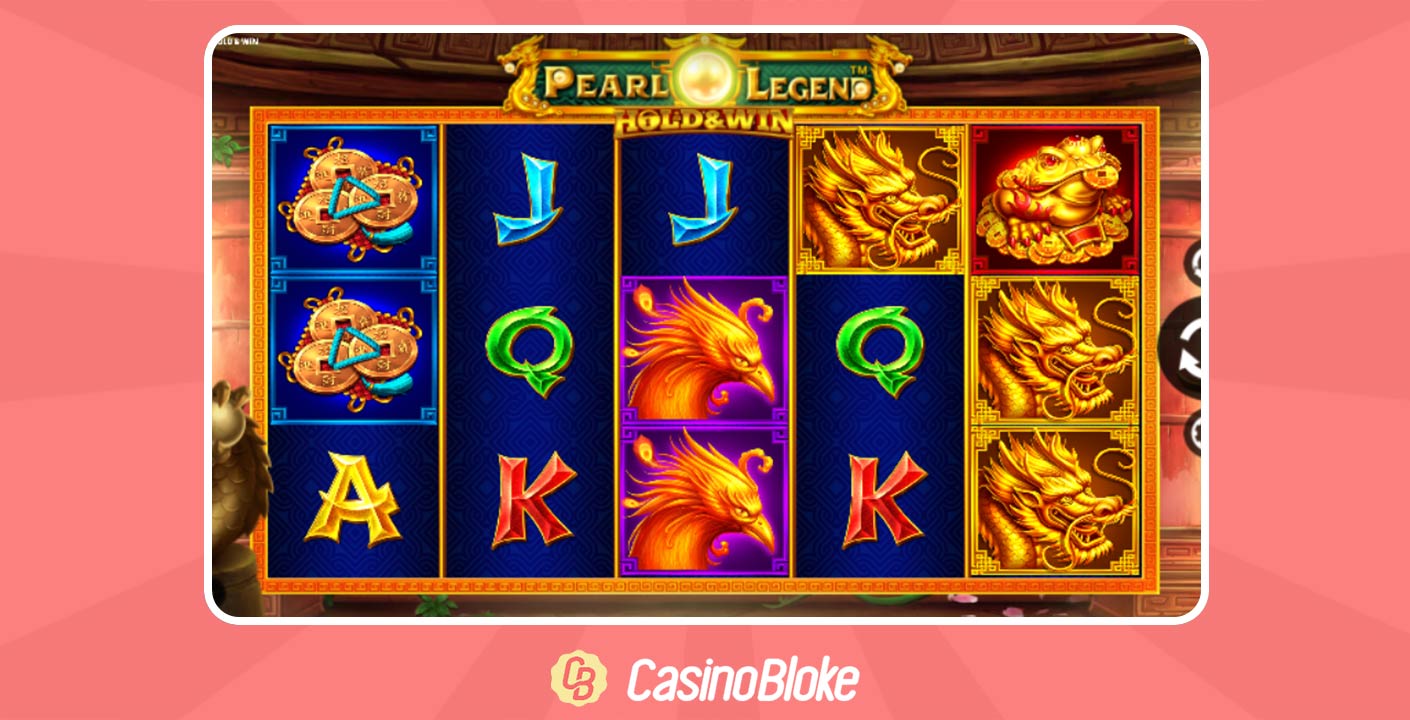
Variance math models are often labeled as “Classic,” “Power,” or “Win Ways.” The Classic model distributes prizes equally across the Minor and Major tiers. The Power model starves the lower tiers to inflate the Grand seed. I have noticed that mobile-first releases tend to favour the Power model, banking on the fact that mobile sessions are shorter and players desire a single life-changing hit rather than a grind.
The hit frequency of the bonus round itself is rarely disclosed, but I can feel it. Some versions use a “tease” algorithm where two scatter symbols land with alarming frequency to trigger near-miss psychology. Others are blunt instruments, offering you the feature rarely but loading it with enhanced multipliers. I prefer the latter; the honesty of a low-frequency, high-potency bonus is easier to manage with a strict bankroll strategy.
Special Feature Acquisition and Bonus Enhancement
Direct Purchase Discrepancies
The “Buy Bonus” button is a lightning rod of dispute, and its execution is far from uniform. I have seen the cost range from 40x to 120x your total bet. The higher the multiplier, the more initial sticky symbols you commonly receive. Some platforms restrict you to a standard three-spin start irrespective of payment, while others assure a minimum of two locked reels. I always compute the cost against the theoretical feature payout before clicking.
Operator-Restricted Bonus Buy
This is where UK regulations hit hardest. The Gambling Commission has essentially banned bonus buy features for UK-licensed online casinos. Therefore, the version you play on a UK-facing site will have this button surgically removed. I find it disconcerting to switch between an offshore crypto casino and a UK-regulated site, only to see the UI gutted. Retail terminals never featured the option, but the code remains inactive in the background.
Multi-Device Synchronization and Profile Unification
Playing on a unified wallet across desktop and mobile should be seamless, but session states often break. I have initiated a bonus round on my phone, closed the app due to a dead battery, and logged in on a desktop to find the feature reverted to a default spin. This is a platform-specific bug that troubles older HTML4 wrappers migrated hastily to modern app stores. Always verify the game saves state server-side, not client-side.
- Server-side state saving ensures your active respin round endures a crash.
- Client-side storage endangers losing a Grand Jackpot collection phase if the app closes.
- Cross-platform progressive jackpots have to share a unified liquidity pool to be valid.
- Bet history logs often present differently on iOS versus Android, complicating tax calculations.
The incorporation of responsible gambling tools also fractures across devices. Desktop versions offer detailed reality check pop-ups that cover the reels. Mobile versions often reduce these to a banner notification that is easily swiped away. I think the intrusive desktop pop-up is more impactful at breaking a loss-chasing trance. The resistance of dismissing a full-screen alert is a necessary psychological stop.
Push notification strategies differ too. A native iOS app might ping you when the must-drop jackpot reaches a certain threshold. A browser-based mobile site lacks this capability entirely. I have missed several ripe jackpot windows simply because I refused to install the bloated native app. The trade-off between storage space and actionable jackpot intelligence is a modern gambling dilemma specific to this genre.
Loyalty point accumulation is not always 1:1. I have audited sessions where a £10 stake on desktop earned ten comp points, while the identical wager on an iPad earned eight. This is often buried in the terms and conditions under “platform weighting.” Operators assume mobile users are more casual and less likely to audit their reward accrual. I check the points-per-pound ratio on every device before committing serious volume.
- Confirm the RTP in the game rules menu before depositing.
- Test the spin cycle speed on your specific device to calculate hourly cost.
- Verify the jackpot contribution rate is identical across your preferred platforms.
- Check whether the auto-play limits are stricter on mobile than on desktop.
- Remember to trigger a manual logout to force a server-side session sync.
The division of the Hold and Win system means you seldom play the precise same math model twice. A small alteration in the system software, screen resolution, or licensing jurisdiction can change a equitable game into a bankroll killer. I consider every new platform as a unique slot game, regardless of the usual branding on the loading screen. The name may be identical, but the core math hardly ever is.
I also observed that demo mode versions often run on a distinct server setup than real-money modes. The demo may spin with a greater hit rate to entice you, just for the cash version to stiffen. This is no conspiracy; it frequently is a result of lazy developers failing to sync the demo RTP with the operator’s chosen live bracket. Switch to a minimum stake test before evaluating a game’s real tempo.
Understanding these version differences changes you from a non-analytical player into an strategic player. I no longer see a single game name; I see a matrix of builds, each with unique mathematical fingerprints. The skill lies in recognizing which fingerprint aligns with your risk tolerance and device preference. Neglecting these distinctions is equivalent to buying a car without checking the engine size.